Clinical Trial Document Translation: Ensuring Compliance and Precision
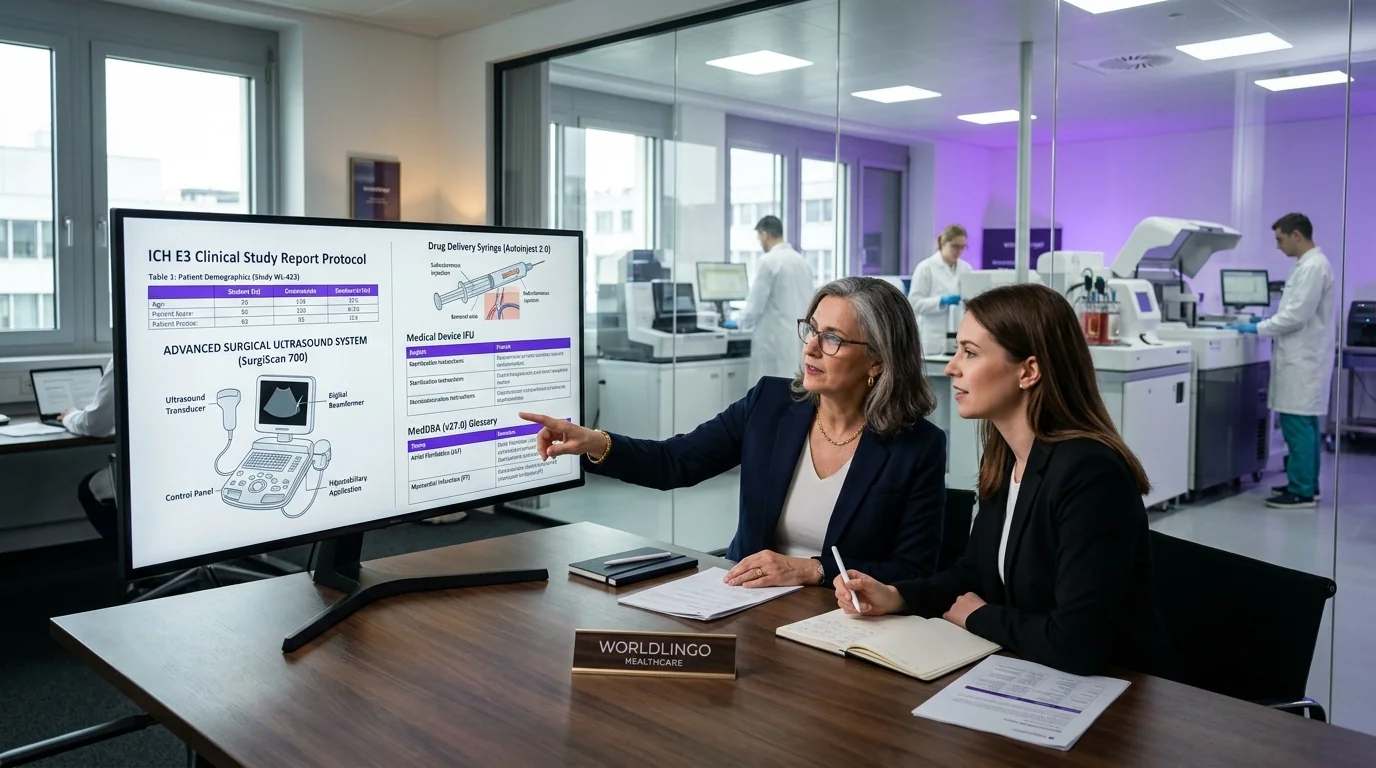
Clinical trial document translation involves informed consent forms, protocols, and other critical documents that require strict regulatory adherence and precise terminology. This article explores key considerations, challenges, and strategies for selecting a professional language service provider to facilitate global trials for pharma and CROs.

Introduction
In global clinical trials, the accuracy and compliance of document translation directly impact ethical review, regulatory approval, and patient safety. From informed consent forms to clinical trial protocols, every document translation demands high precision across medical, legal, and linguistic dimensions. This article delves into core aspects, common challenges, and best practices for clinical trial document translation, helping sponsors and Contract Research Organizations (CROs) mitigate risks and ensure smooth multi-center trials.
Scope and Importance of Clinical Trial Document Translation
Key Document Types
- Informed Consent Form (ICF): Informs subjects comprehensively, requiring plain language and accurate conveyance of risks and rights.
- Clinical Trial Protocol: The most technical document, including study design, statistical methods, dosing schedules; translation errors may lead to protocol deviations.
- Investigator's Brochure (IB): Summarizes preclinical and clinical data; translation must maintain data integrity.
- Case Report Form (CRF): Data collection tool; translation must ensure field consistency for data management and analysis.
- Standard Operating Procedures (SOPs): Standardize trial operations; improper translation may affect compliance.
Why Translation Quality is Critical
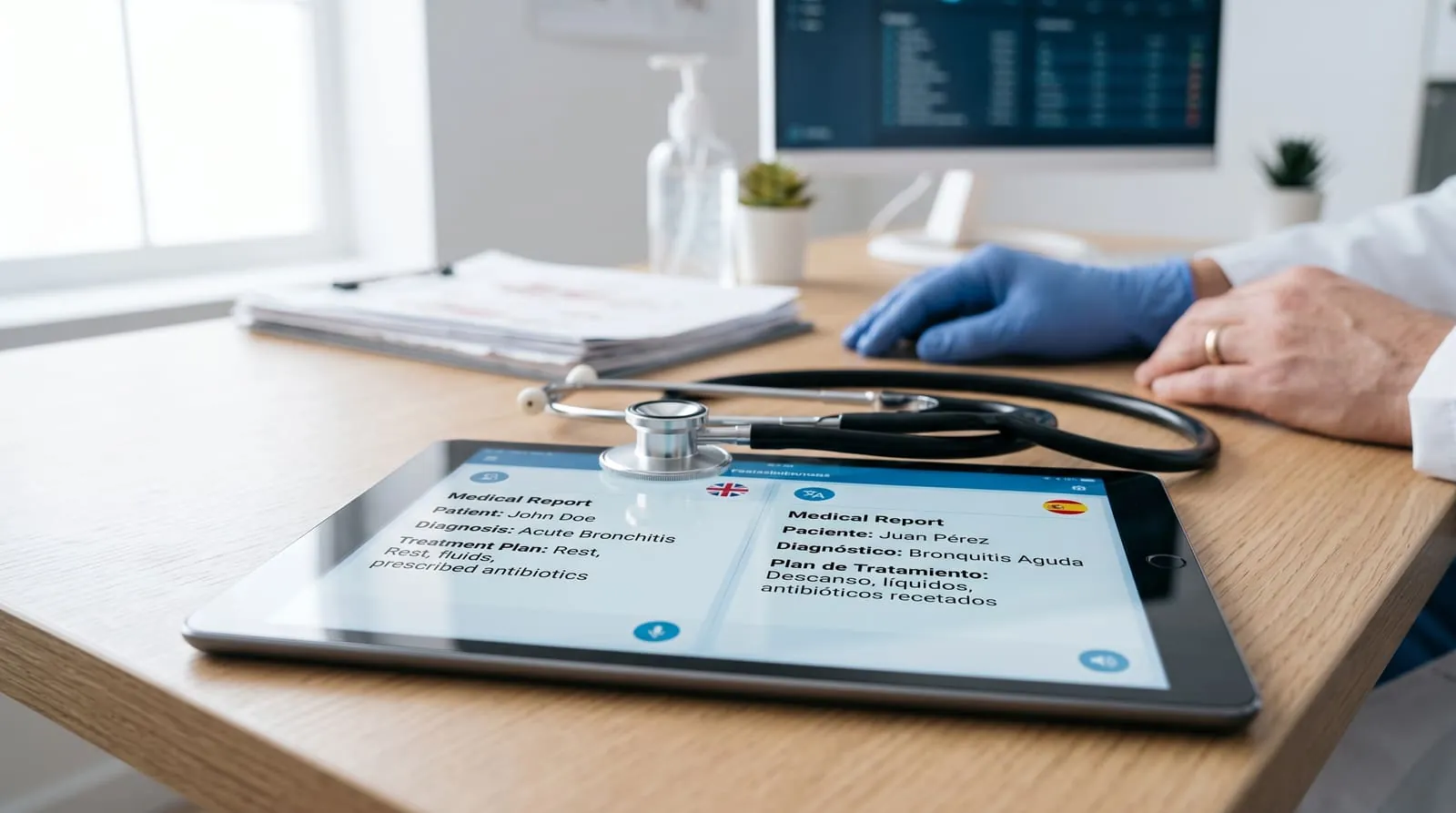
- Subject Safety: Inaccurate ICF translation may lead to misunderstanding of risks, causing ethical issues.
- Regulatory Compliance: Regulatory agencies (e.g., FDA, EMA, NMPA) require translated documents to accurately reflect original data; errors may cause delays or rejections.
- Data Integrity: Errors in CRF translation may lead to data entry mistakes, affecting statistical results.
Core Challenges and Solutions
Accurate Correspondence of Medical and Legal Terminology
- Challenge: Medical concepts may lack direct equivalents in other languages; legal terms (e.g., "compensation", "privacy") may differ across jurisdictions.
- Solution: Use terminology management tools to build and maintain project-specific glossaries, ensuring consistency. For example, consistently translate "adverse event" as "不良事件" rather than non-standard terms.
Cultural Adaptation and Ethical Review
- Challenge: ICF must align with local cultural norms, e.g., risk descriptions may need adjustment.
- Solution: Employ a "back-translation" process, where an independent translator translates the target text back to the source language for comparison. Additionally, consult local ethics committees.
Time and Cost Pressures
- Challenge: Clinical trial timelines are tight, and translations often have short deadlines.
- Solution: Select translators with medical backgrounds and utilize translation memory (TM) for efficiency. Plan translation needs in advance to allow sufficient time.
Translation Workflow and Quality Assurance
Standard Translation Workflow
- Needs Analysis: Identify document types, target languages, and regulatory requirements.
- Translator Matching: Select native-speaking translators with medical/pharmaceutical backgrounds.
- Terminology Management: Extract source terms and create glossaries.
- Translation and Review: Initial translation followed by review by a second translator to ensure accuracy.
- Quality Assurance: Conduct linguistic quality assurance (LQA) and format checks.
- Client Feedback: Revise based on client comments and deliver final version.
Key Quality Assurance Points
- Dual Review: At least two independent translators for translation and review.
- Terminology Consistency: Use glossaries and translation memory.
- Format Preservation: Ensure tables, figures, etc., match the original.
- Regulatory Adherence: Comply with ICH GCP, local regulations, and ethical requirements.
Selection Criteria for Translation Service Providers
- Professional Qualifications: ISO 17100 certification, presence of a medical translation team.
- Industry Experience: Prior handling of clinical trial documents, familiarity with regulatory requirements.
- Quality Processes: Robust QA system, including dual review and terminology management.
- Confidentiality: Signed NDA, compliance with data security standards (e.g., ISO 27001).
- Project Management: Dedicated project manager for smooth communication.
Key Terminology Cross-Reference Table
| English Term | Chinese Term | Definition |
|---|---|---|
| Informed Consent Form (ICF) | 知情同意书 | Document explaining trial details to subjects and obtaining voluntary participation |
| Clinical Trial Protocol | 临床试验方案 | Technical document detailing trial objectives, design, methods, etc. |
| Contract Research Organization (CRO) | 合同研究组织 | Organization providing services to sponsors for clinical trials |
| Clinical Research Associate (CRA) | 临床监查员 | Personnel responsible for monitoring clinical trial execution |
| Adverse Event (AE) | 不良事件 | Any untoward medical occurrence in a subject |
| Good Clinical Practice (GCP) | 药物临床试验质量管理规范 | International standard for designing, conducting, and monitoring trials |
| Institutional Review Board (IRB) | 机构审查委员会 | Independent body reviewing ethical aspects of clinical trials |
FAQ
1. What regulations must informed consent form translation comply with?
Informed consent form translation must adhere to ICH GCP and local regulations, such as US 21 CFR Part 50 and the EU Clinical Trials Regulation (EU CTR). The translation must ensure subjects fully understand trial information, using plain language and avoiding overly technical terms. Additionally, it must be submitted for ethics committee approval, and the translated version must be consistent with the original.
2. How can we ensure the accuracy of clinical trial protocol translation?
Protocol translation should be performed by translators with medical backgrounds, followed by dual review. Use glossaries to ensure terminology consistency and have clinical experts review the content. Additionally, translation memory can improve efficiency and reduce errors.
3. What role does a CRA play in document translation?
A CRA (Clinical Research Associate) monitors trial sites and ensures compliance of translated documents. They may review translations to ensure consistency with source data and oversee translation quality. Furthermore, CRAs communicate with translation providers to ensure regulatory requirements are met.
Conclusion and Actionable Recommendations
Clinical trial document translation is a cornerstone of successful international trials. Sponsors and CROs should prioritize translation quality by partnering with professional service providers. Through rigorous processes, terminology management, and quality assurance, compliance and precision can be ensured. For your specific needs, feel free to contact Linguist Translation for expert consultation and tailored solutions.
Expanding globally or tackling translation compliance?
ISO 17100 certified. Get instant localization readiness diagnostic & quotation.
Share this article